Cyborg
Topic:Cyborg
Student name:Mak Hoi Ying
Student number:60174231
 |
| Cyborg |
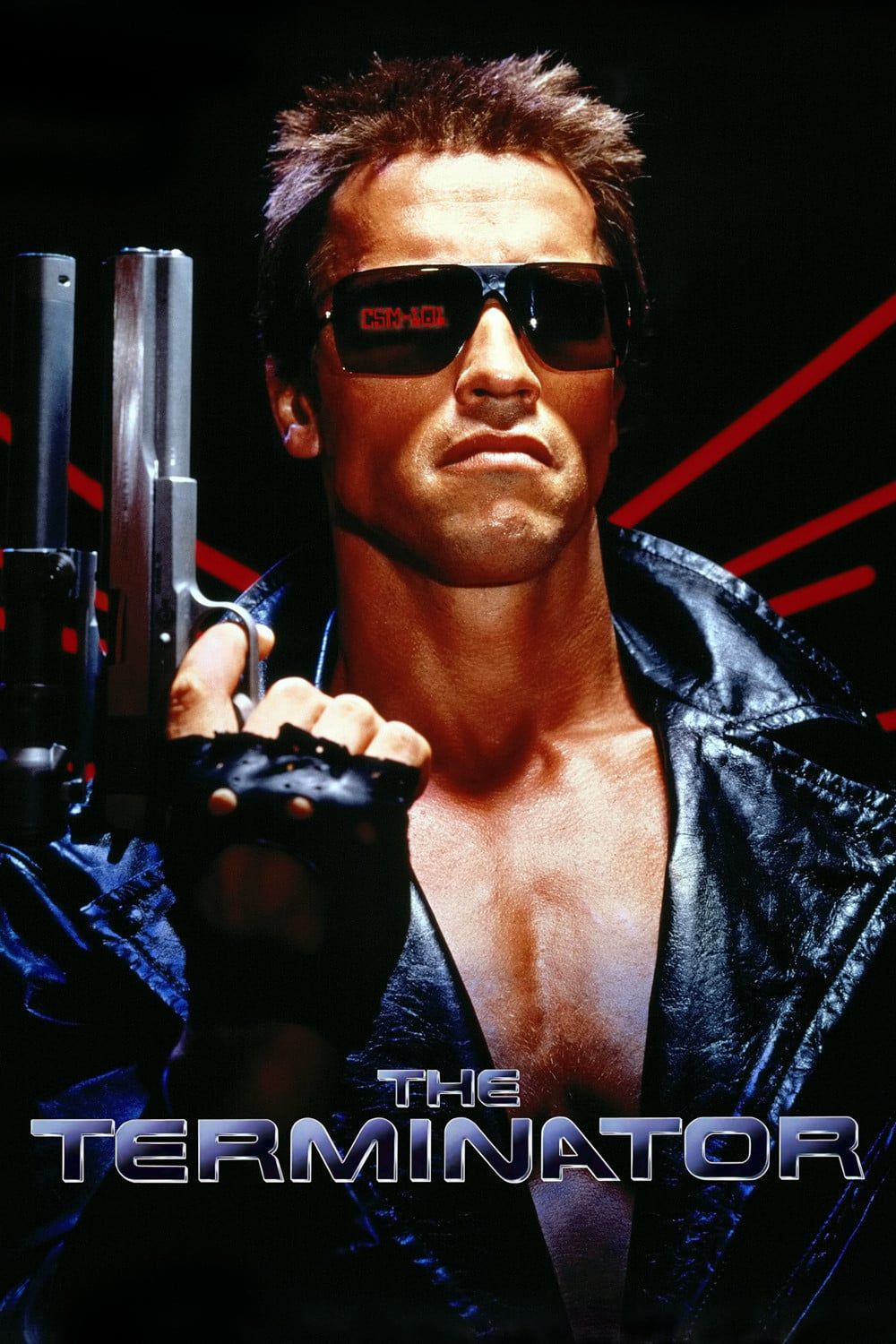
Imagine walking down a dark street at night, when suddenly you hear the echo of metallic footsteps in the shadows. A figure that looks human slowly approaches, its eyes glowing red—this is the classic scene from The Terminator. This is no ordinary person, but a cyborg: a being that is half human, half machine. Cyborg stories often begin this way—both familiar and strange, both fascinating and frightening. They blur the boundary between human and machine, forcing us to rethink what it truly means to be “human.”
The Terminator
 |
| The Terminator |
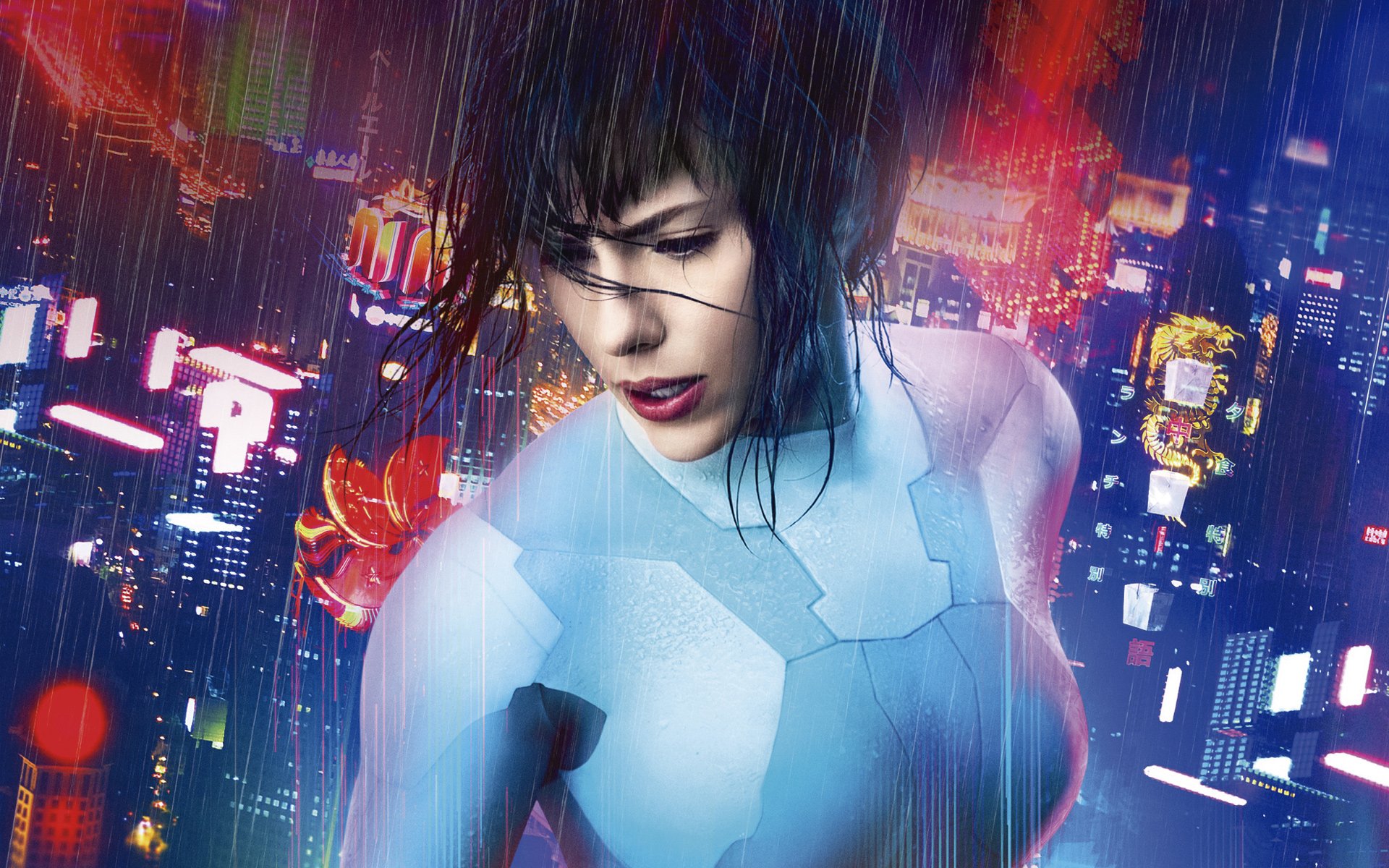
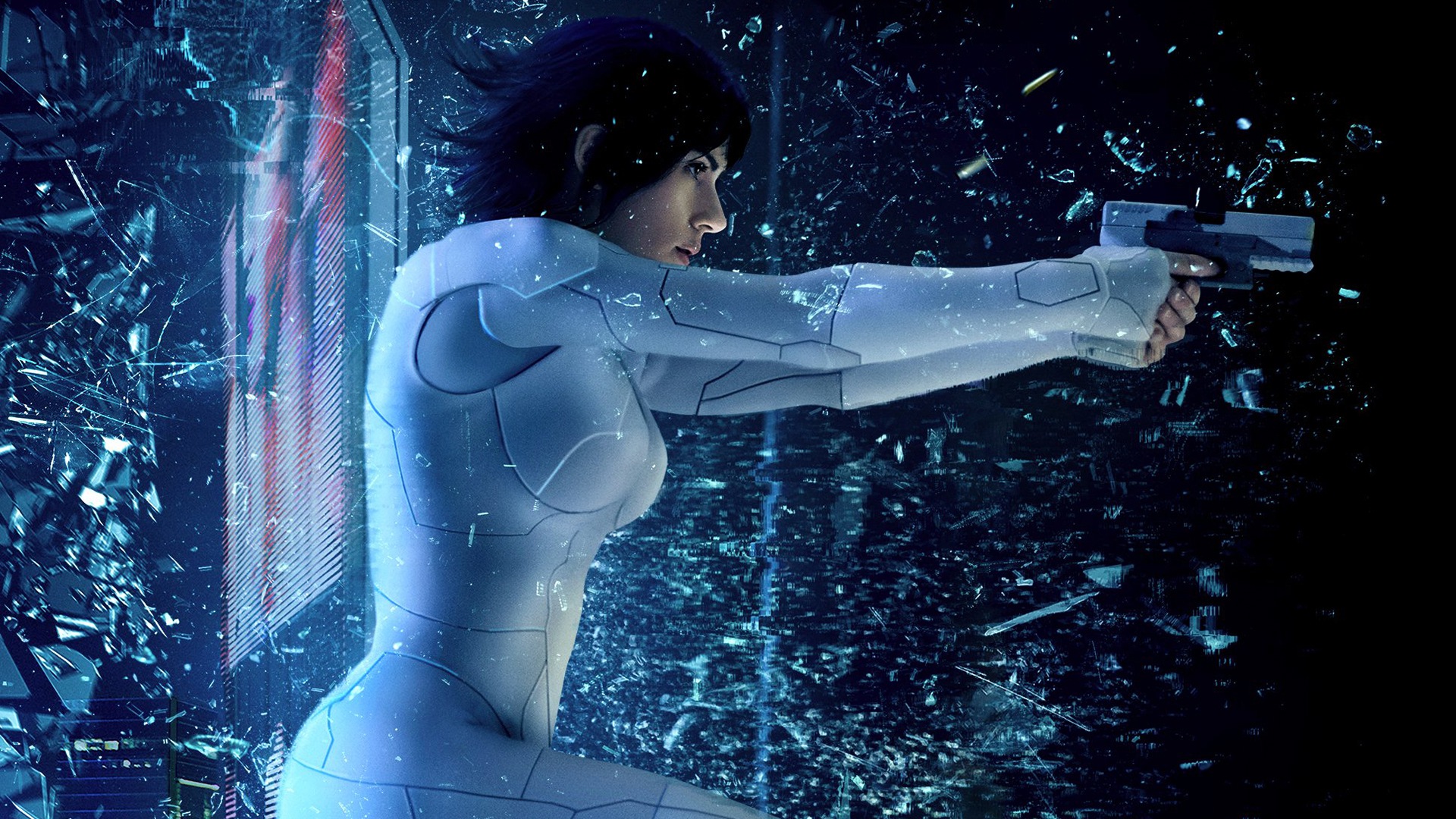
Ghost in the Shell
 |
| Kusanagi |
 |
| Kusanagi |
Her consciousness can even enter the network, connecting with data, artificial intelligence, and other minds. This “de-individualized” state gives her limitless possibilities but erases clear boundaries. When identity is no longer fixed but becomes fluid, the foundation of the self begins to shake: if memories are unreliable, then who am I? Kusanagi repeatedly questions whether her past is real, and this doubt leaves her identity in constant drift.
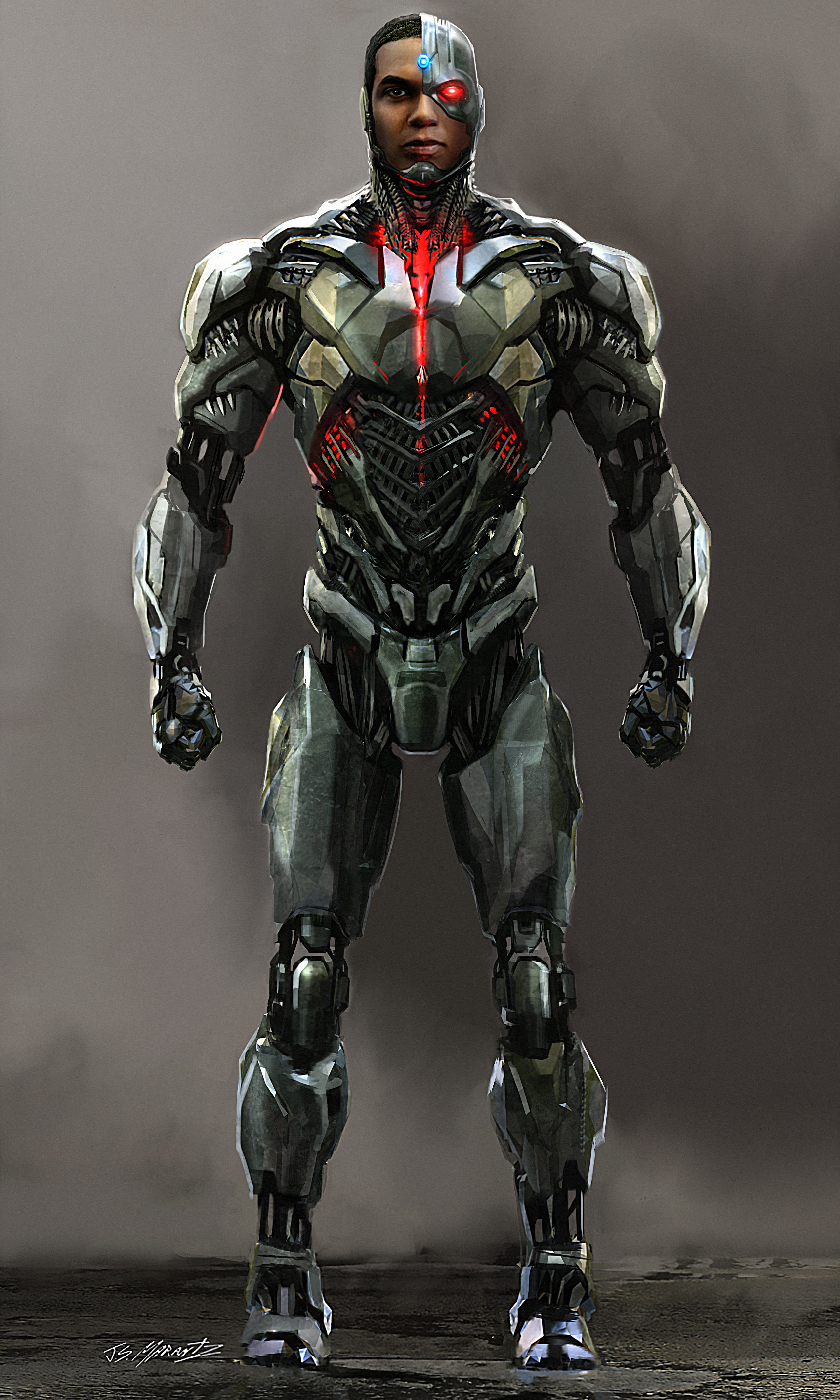
A cyborg—short for “cybernetic organism”—is neither a simple robot nor a complete human. It is a hybrid: retaining human body or consciousness while being modified or enhanced by technology. Put simply, it is “half human, half machine.” The essence of the cyborg lies in its ability to blur the line between human and machine, making “human” no longer a fixed concept but something continuously reshaped by technology. Cyborgs may be ruthless killing machines, lonely philosophical thinkers, or even, in real life, a friend who can open a computer with a thought. They are both terrifying and captivating.
I imagine that if one day in class, the student sitting next to me suddenly extended a mechanical arm and casually helped charge my phone, I would probably be shocked at first, then think—well… that’s actually pretty convenient. That’s the charm of cyborgs: they keep us swaying between fear and curiosity, wandering between imagination and reality. Perhaps, someday in the future, we will truly get used to people around us having mechanical eyes, bionic arms, or even uploading their memories to the cloud.


留言
張貼留言